Manual Ball Valves About
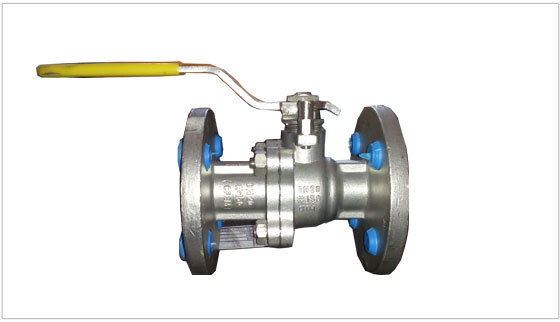
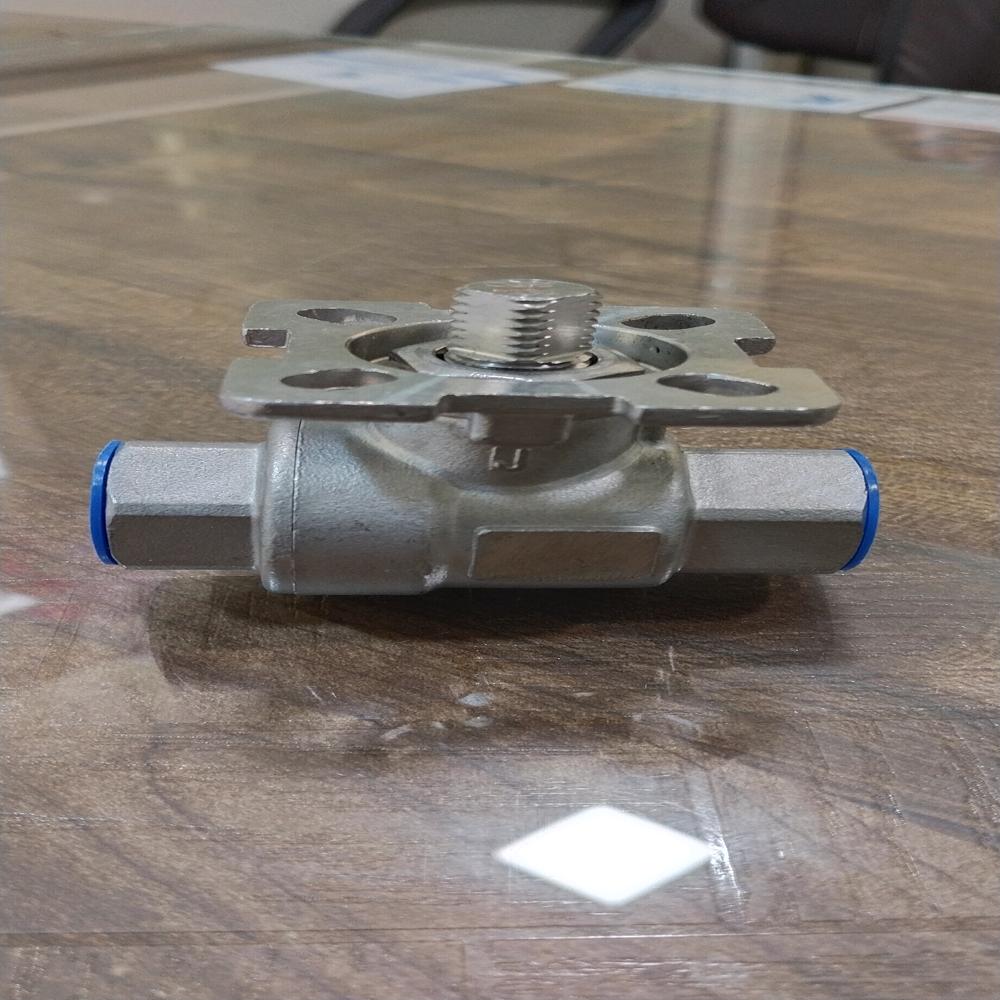
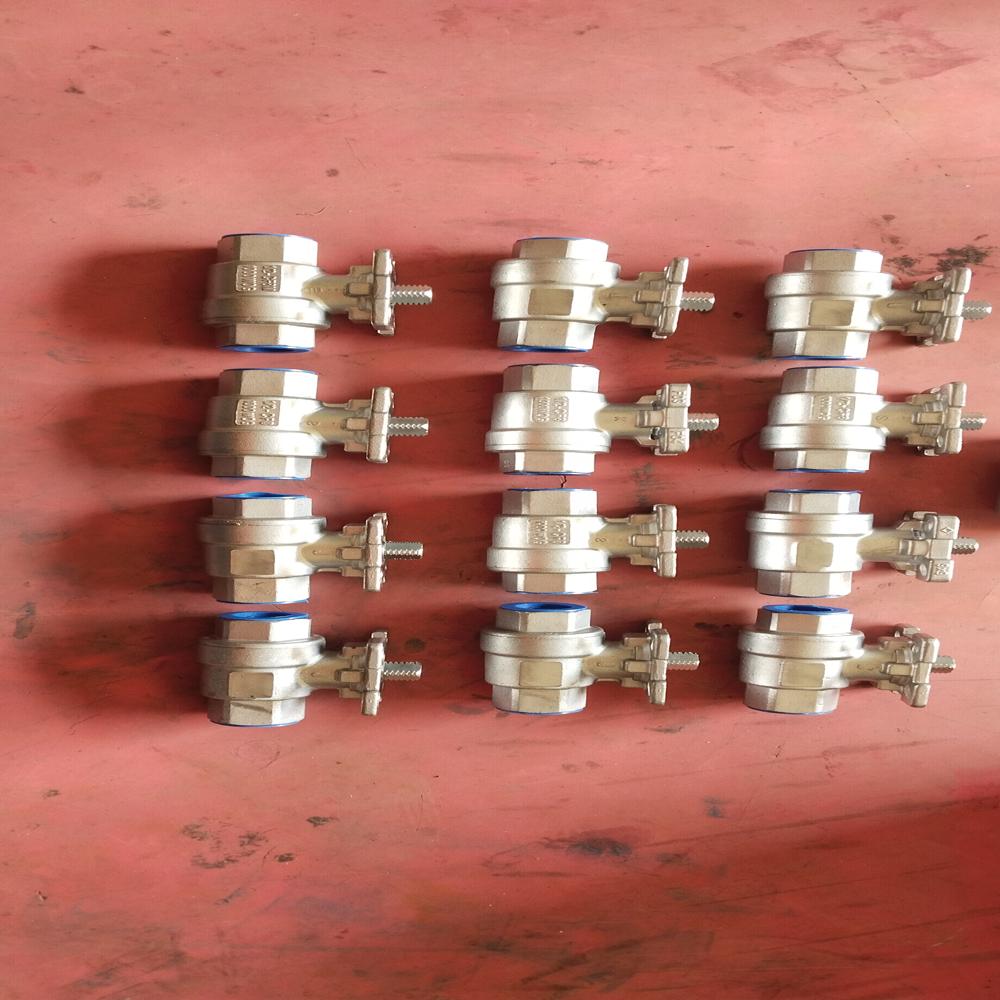
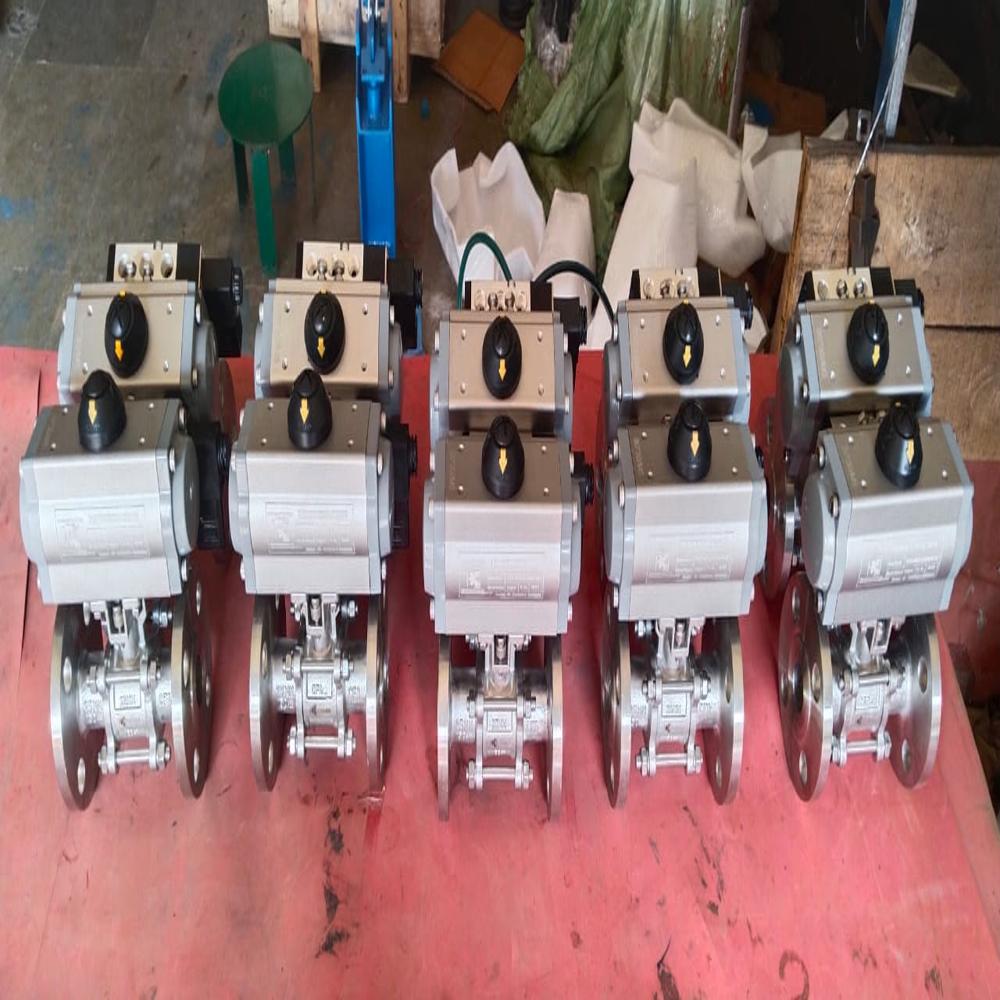
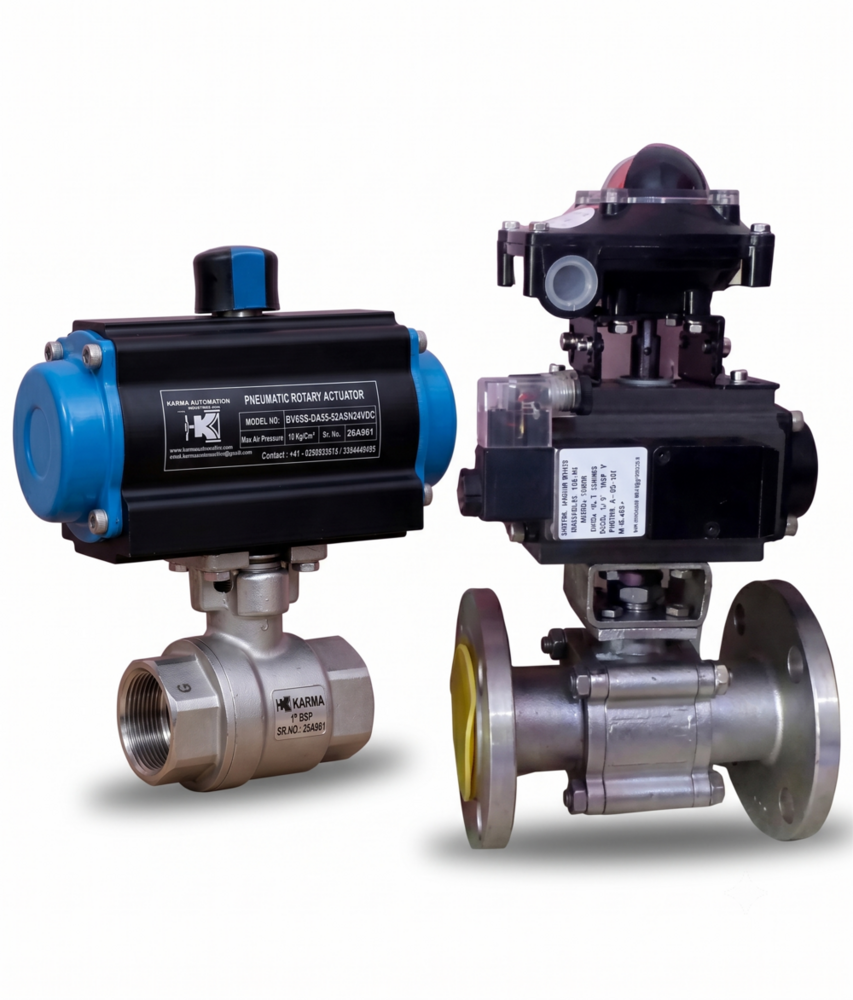
Take advantage of this remarkable sale and secure manual ball valves designed for laureate performance across demanding industrial, chemical, water treatment, and oil & gas applications. Crafted from CF8/CF8M stainless steel with a PVC-sleeved handle, this valve boasts bubble-tight Class VI sealing with a PTFE seat and a polished finish for magnificent durability. Compliant with ISO 5211 and API 598 standards, our flanged-end valves enable reliable manual operation even in challenging conditions (-29C to 200C). Available in DN15-DN300 with 2-way channels and ANSI/DIN/BS compatible flanges-deal direct with an industry-leading distributor, manufacturer, and supplier from India.
Versatile Applications and Uses
Manual ball valves are essential for a range of site applications such as water treatment facilities, industrial plants, chemical processing, and oil & gas refineries. They are also widely used as isolation devices for water, oil, gas, and air flow control, ensuring safe shutdowns and maintenance in pipelines. Their robust construction allows them to handle the demanding requirements of both high and low-pressure environments, making them invaluable across various sectors requiring reliable flow management.
Packaging, Transportation, and Key Markets
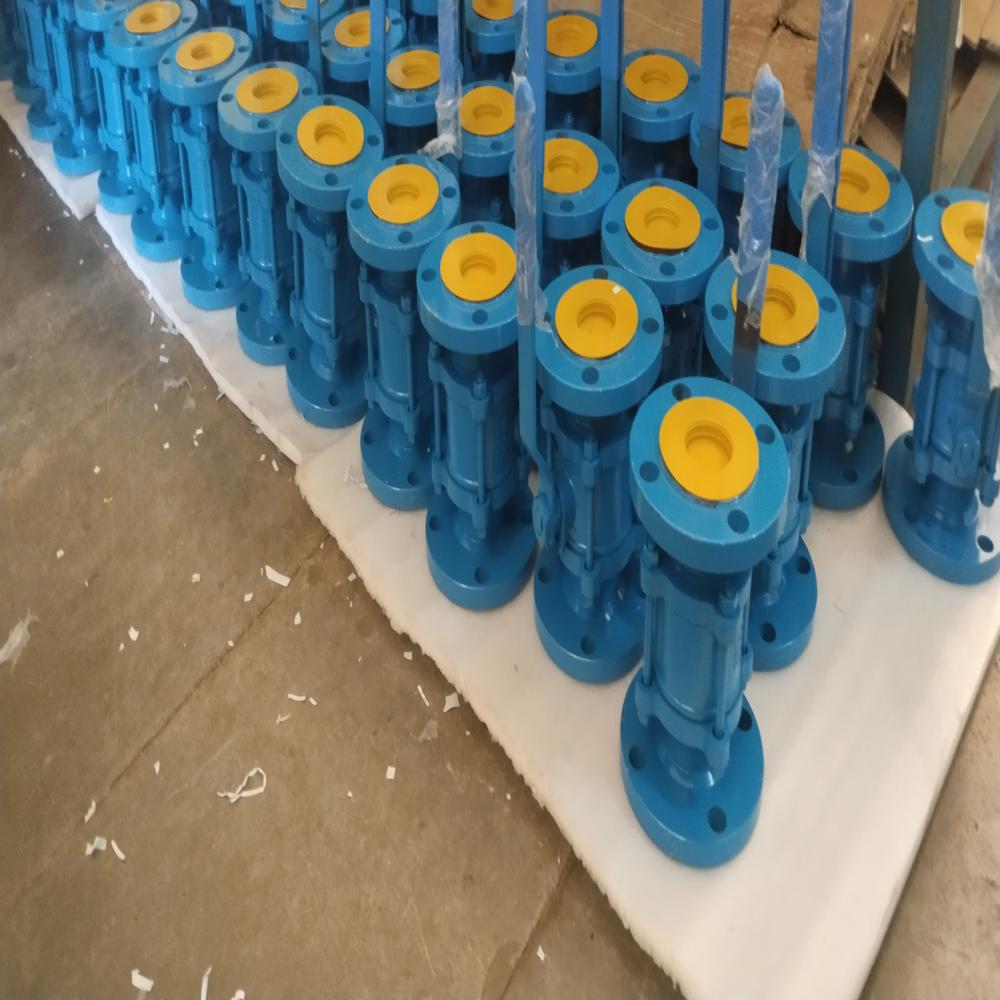
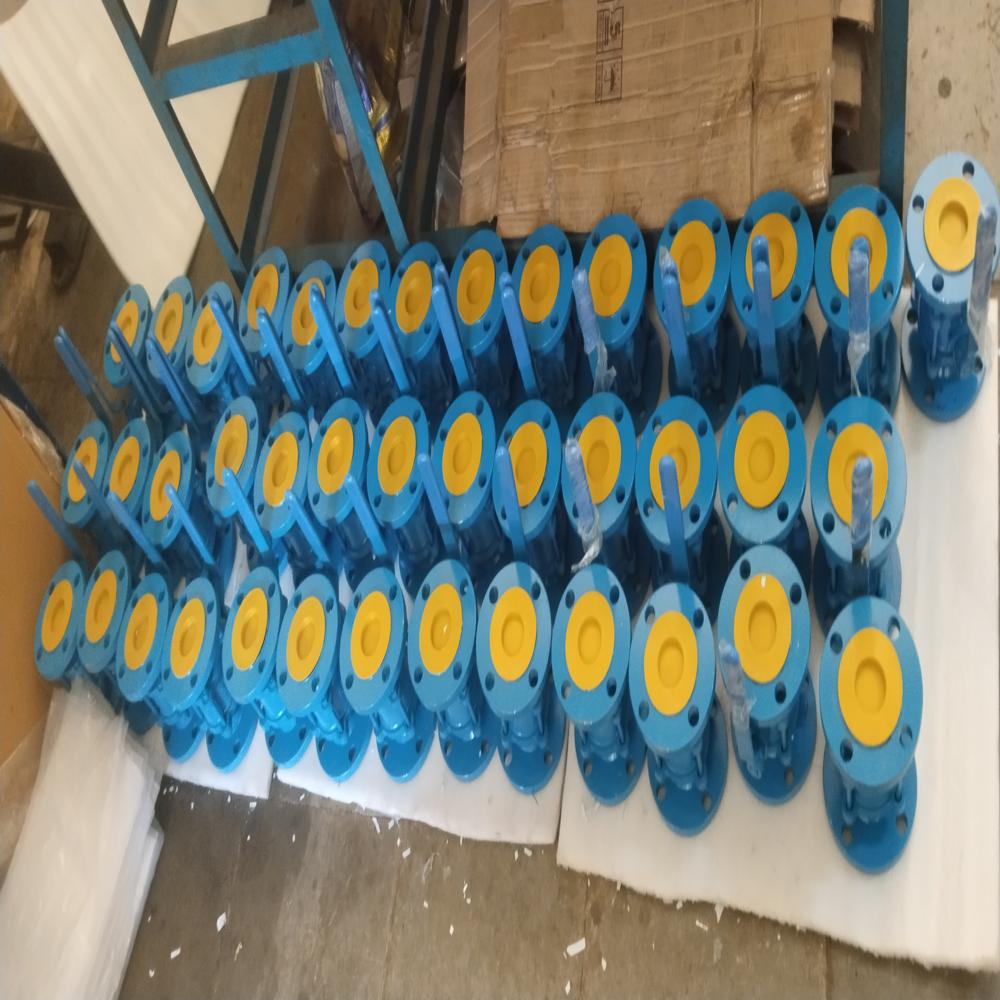
Our manual ball valves are carefully packaged to withstand long-distance transport services, assuring you receive products in impeccable condition. We deliver across major domestic cities and cater to valuable export markets in Europe, Asia, Africa, and the Middle East. With the growing market value of industrial automation and control, our ball valves enjoy strong demand and recognition among global distributors, exporters, traders, and service providers, all delivered with industry-leading efficiency and reliability.
FAQ's of Manual Ball Valves:
Q: How do manual ball valves operate with a lever handle?
A: Manual ball valves are operated by turning the lever handle, which rotates the internal stainless steel ball to open or close the 2-way passage. This allows for fast and reliable flow control of various media including water, oil, gas, and air.
Q: What standards do these ball valves adhere to?
A: These ball valves are designed and tested according to ISO 5211 and API 598 standards, with flanges conforming to ANSI, DIN, and BS specifications to guarantee quality, compatibility, and performance across international markets.
Q: Where are these manual ball valves commonly used?
A: They are widely applied in industrial, water treatment, chemical, and oil & gas industries, as well as in other critical applications that demand precise, reliable isolation and flow control of different types of media.
Q: What is the process for installing manual ball valves with flanged ends?
A: Installation involves aligning the flanged ends with corresponding pipeline flanges, securing them with bolts, and ensuring that gaskets are properly positioned to prevent leakage, followed by operational testing for bubble-tight Class VI sealing.
Q: What are the benefits of using PTFE seal material and stainless steel body?
A: PTFE seals provide superior chemical resistance and low friction, while stainless steel construction ensures long-lasting, corrosion-resistant performance, even under extreme temperatures from -29C to 200C, making these valves suitable for diverse industrial environments.

 Send Inquiry



 Send Inquiry

 Send Inquiry